

Anxiety, a natural stress response, is intense fear or worry about the future. You might feel anxious — or scared, uneasy, tense — before giving a major presentation at work, while waiting for test results from the doctor, or after receiving a text from your significant other that says, “We need to talk”. The anxiety comes and goes with the high-stress situation.
If an individual finds that their anxiety is having a significant impact on their ability to live life as fully as they want, they may have a diagnosable anxiety disorder.
Approximately 1 out of 5 people are likely to experience a diagnosable anxiety disorder at some point in their lives. Some people may struggle with an anxiety disorder for months or years if left untreated; they could have more than one diagnosable anxiety disorder or find that their anxiety fluctuates or returns after treatment.
Signs can start at any time in life, begin as early as childhood or adolescence, and continue into adulthood.
What Causes Anxiety?
Anxiety can be caused by any stressful event or situation. a combination of factors plays a role:
- Chemical imbalances: Several neurotransmitters and hormones play a role in anxiety, including norepinephrine, serotonin, dopamine and gamma-aminobutyric acid (GABA). Imbalances in these chemicals can contribute to an anxiety disorder.
- Brain changes: A part of your brain called the amygdala plays an important role in managing fear and anxiety. Studies show that people with anxiety disorders show increased amygdala activity in response to anxiety cues.
- Genetics: Anxiety disorders tend to run in biological families. This suggests that genetics may play a role. You may be at an increased risk of developing one if you have a first-degree relative (biological parent or sibling) with an anxiety disorder.
- Environmental factors: Severe or long-lasting stress can change the balance of neurotransmitters that control your mood. Experiencing a lot of stress over a long period can contribute to an anxiety disorder. Experiencing a traumatic event can also trigger anxiety disorders.
Is some anxiety normal?
Humans evolved the fight or flight response to help protect us from dangerous situations. When experiencing a threat, our bodies release hormones, including adrenaline and cortisol, to make us feel more alert and produce bodily reactions such as increased heart rate and dilated pupils.
After the threat has passed, our bodies release other hormones to help the muscles relax. Thus, when we feel anxious, we experience this automatic response that cannot always be controlled.
Types of Anxiety Disorders 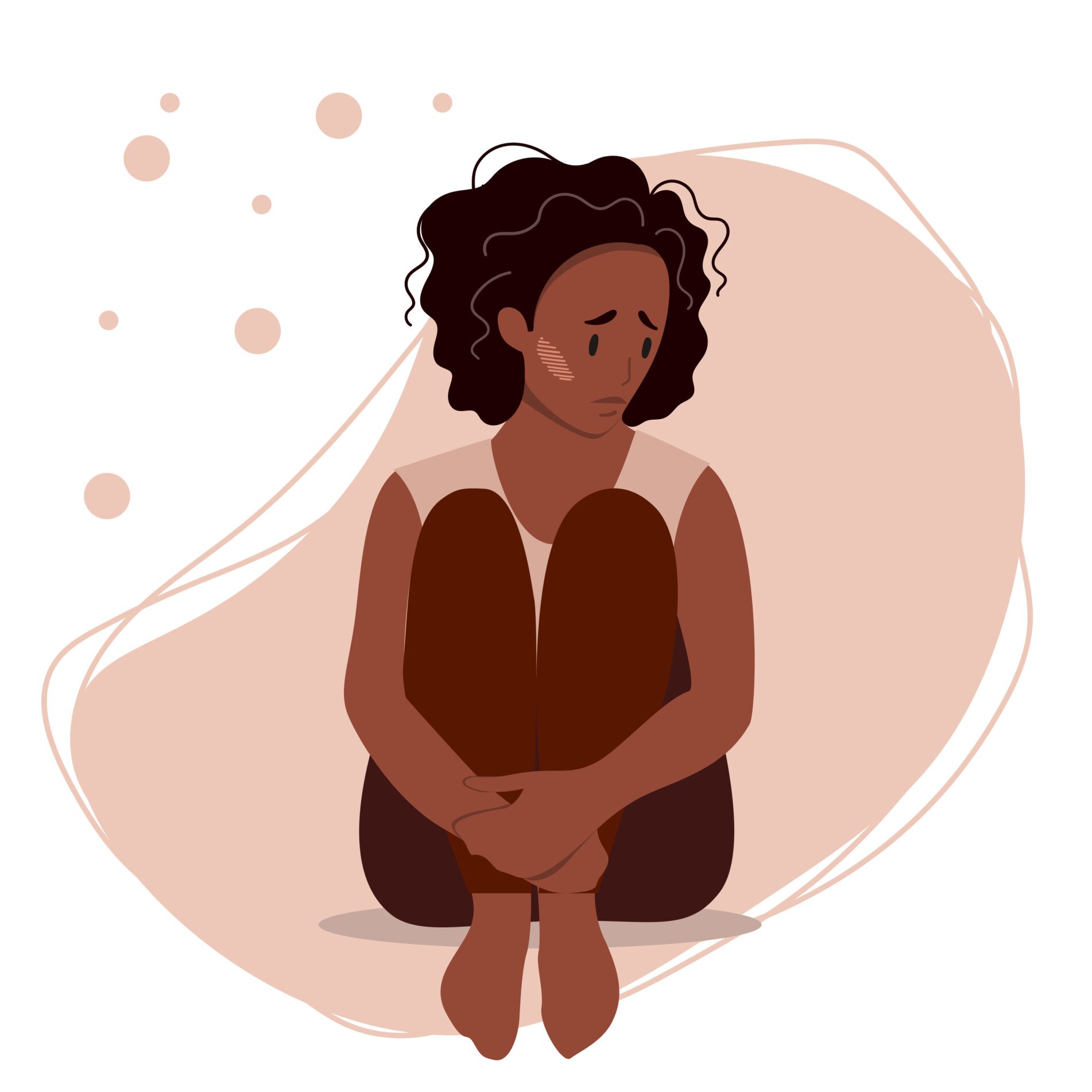
Anxiety disorders can be experienced in many ways the list of common anxiety disorders includes:
- Generalized anxiety disorder (GAD)- is excessive worry about everyday life events. People with GAD tend to expect the worst and fixate on the disaster that is surely about to strike.
- Social anxiety disorder (or social phobia)- is irrational anxiety in social situations. Common symptoms include self-consciousness, embarrassment, and intense fear of being judged when interacting with others, or complete avoidance of social interactions.
- Panic disorder- is marked by panic attacks, or sudden feelings of terror and loss of control. Physical symptoms are also common, which include chest pain, shortness of breath, and an increased heart rate.
- Separation anxiety- is excessive worry or fear when away from a specific person, pet, or place. It is most common among children who feel scared when separated from their parents, but it can also occur among teens and adults.
- Phobias- are intense fears of a specific situation or thing, such as flying, heights, or spiders. People with phobias avoid ordinary places and activities to avoid confronting their fear.
- Obsessive compulsive disorder (OCD)- is a mental health condition characterized by a cycle of uncontrollable, chronic thoughts (obsessions) and repetitive behaviors (compulsions) that severely interfere with daily functioning.
- Post Traumatic Stress Disorder (PTSD)- is a condition, categorized as a Trauma- and Stressor-Related Disorder, that some people develop after exposure to a traumatic event. It is an ongoing and intense physical and emotional response.
How Are Anxiety Disorders Treated?
An anxiety disorder is like any other health condition that requires treatment. You can’t will it away. It’s not a matter of self-discipline or attitude. Researchers have made a lot of progress in the last few decades in treating mental health conditions. Your healthcare provider will tailor a treatment plan that works for you. Your plan may include a combination of medication and psychotherapy (talk therapy).
Psychotherapy for anxiety disorders
“Psychotherapy,” also called talk therapy, is a term for a variety of treatment techniques that aim to help you identify and change unhealthy emotions, thoughts and behaviors. A mental health provider talks through strategies to help you better understand and manage an anxiety disorder. Approaches include:
- Cognitive behavioral therapy (CBT): This is the most common type of psychotherapy to help manage anxiety disorders. CBT for anxiety teaches you to recognize and identify thought patterns and behaviors that lead to troublesome feelings. You then work on changing the thoughts and your reactions to triggering situations.
- Exposure therapy: This is a type of therapy in which a mental health provider creates a safe environment to expose you to your fears. Fears may be things, situations and/or activities. Exposure therapy helps show you that you’re capable of confronting your fears. You’ll learn to attach new, more realistic beliefs to the things you’re afraid of. You’ll become more comfortable with the experience of fear.
Will Anxiety Eventually Go Away?
If you’re struggling with anxiety, be it the normal day-to-day anxiety or a suspected anxiety disorder, reach out to a medical professional to talk through the treatment options above. Through therapy and/or medication, plus our anxiety management tips, you can cope with and lessen your anxiety — what was once a major impediment in your day can shrink into the background.
What is the prognosis for people with anxiety disorders?
Left untreated, anxiety disorders can lead to serious complications, including:
- Difficulty with social situations and decreased quality of life.
- Substance use disorders, including alcohol use disorder.
- Major depressive disorder.
- Suicide (in cases of severe anxiety).
Constant anxiety also increases your risk of cardiac events, like a heart attack.
This is why it’s crucial to seek help if you have an anxiety disorder. Treatment is effective. The right treatment can help improve your quality of life, relationships and productivity. It can also support your overall well-being.