
What Is Attention Deficit/Hyperactivity Disorder (ADHD)?
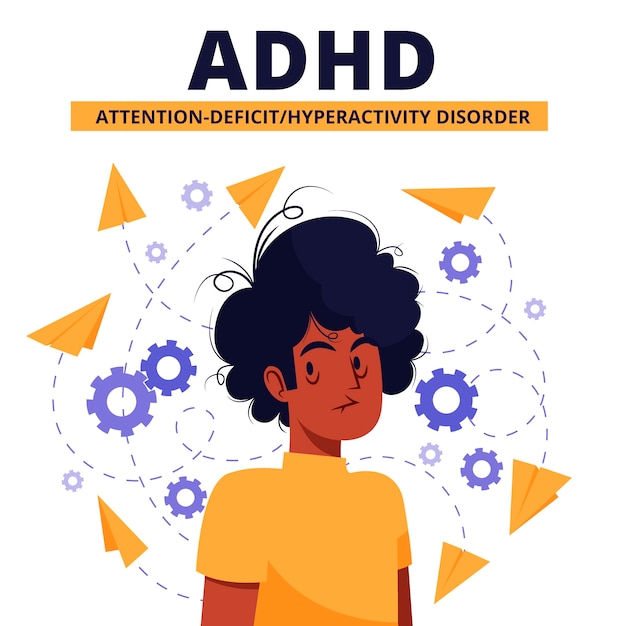
ADHD, or Attention Deficit Hyperactivity Disorder, is a neurodevelopmental disorder that affects both children and adults. It is characterized by signs such as difficulty with focus, hyperactivity, and impulsivity.
It is common for everyone to experience some level of difficulty with attention or controlling impulsive behavior, but for those with ADHD, the problems can be so pervasive and persistent that they can interfere with every aspect of their lives.
ADHD is often diagnosed in childhood but can also be diagnosed later in life. It is common for many people to recognize they have ADHD later in life or go their whole lives without a formal diagnosis.
While the signs of ADHD can change with time, they can still interfere with an individual’s functioning, specifically in their relationships, health, work, and finances.
What Are the 3 presentations of ADHD?
There are three different ways ADHD can present itself. Providers use the kinds of symptoms displayed to diagnose the condition in one of these three ways.
- Inattentive ADHD (attention-deficit/hyperactivity disorder): is characterized by difficulties in maintaining focus, following instructions, and organizing tasks, often resulting in forgetfulness and distractibility.
- Hyperactive/Impulsive ADHD (attention-deficit/hyperactivity disorder): is characterized by excessive activity, restlessness, impulsivity, and difficulty waiting or taking turns, often leading to disruptive behavior.
- Combined ADHD (attention-deficit/hyperactivity disorder): is characterized by a significant presence of both inattentive and hyperactive-impulsive symptoms, leading to challenges in multiple areas of functioning.
ADHD in Boys vs. Girls
ADHD can manifest differently in boys than in girls. While boys can exhibit symptoms of inattention, they are more likely than girls to show impulsive and hyperactive behaviors instead of or in addition to the inattentive ones. Girls can have impulsive and hyperactive type ADHD, but more often they show symptoms of inattentive type.
What Are the Signs of ADHD in Boys?
- Fidgeting, tapping hands or feet, or squirming in their seat
- Difficulty staying seated when expected to, such as in a classroom
- Running around or climbing when or where it is inappropriate
- Inability to play or do activities quietly
- Blurting out responses before a question has been finished, finishing people’s sentences, difficulty waiting to speak in conversations
- Interrupting or intruding on others during conversations, games, and activities, taking over what others are doing, using other people's things without permission, etc.
boys are more likely to display externalizing (outward) behavior and have co-occurring conditions. These can include:
- Oppositional defiant disorder (ODD)
- Conduct disorder (CD)
- Rule-breaking behavior
- Fights in school or aggressive behavior
- Antisocial behaviors characteristic of antisocial personality disorder
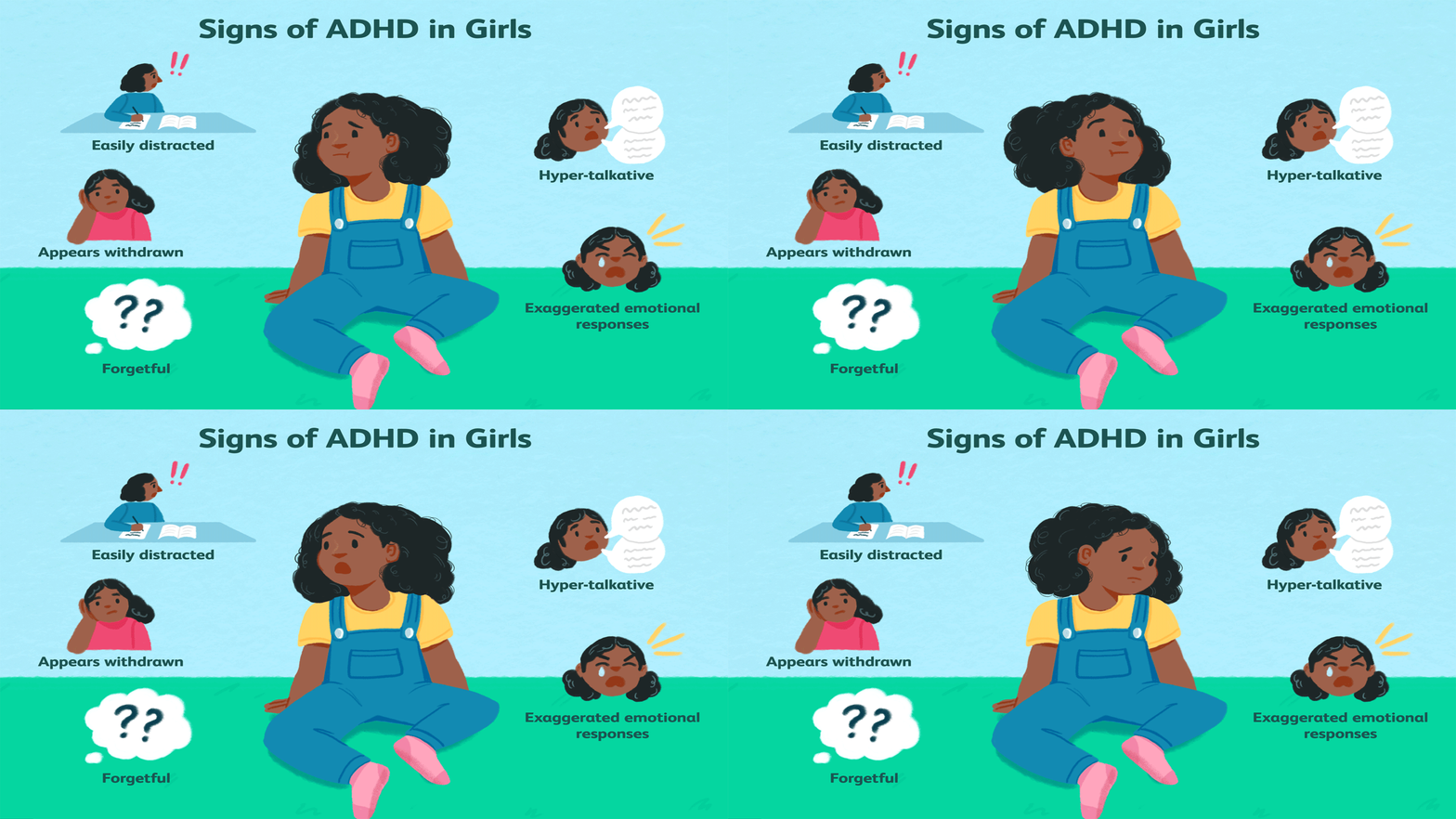
What Are the Signs of ADHD in a Girl?
- Looks to be making "careless" mistakes in tasks such as schoolwork
- Difficulty staying focused on tasks or activities such as lectures, conversations, or reading for long periods
- Not following through on instructions and not completing (or starting but losing focus on) tasks such as schoolwork, chores, or job duties
- Difficulty with organizing, such as poor time management, messy work, and living spaces, disorganized work (like homework), missed deadlines, etc.
- Takes time to process information and directions; seems like she doesn't hear you
- Verbally impulsive; blurts out and interrupts others
- Avoiding or disliking tasks that require sustained mental effort
- Frequently losing needed belongings, such as school papers, books, cell phone, and glasses
- Forgetting common tasks like chores, or in teens and adults, running errands, returning phone calls, paying bills, and keeping appointments
When an ADHD diagnosis is late or is missed in females, and support is not given, they repeatedly have experiences of perceived failure, alienation, and inadequacy, which they frequently interpret as personal flaws rather than ADHD. This increases the risk of developing co-occurring conditions such as:
- Depression
- Anxiety
- Sleep disorders
- Eating disorders
- Substance use disorder
- Low self-esteem
ADHD in Adults
Signs of ADHD in adults don’t necessarily look like signs of ADHD in children and teenagers. Adulthood brings increasing demands on a brain’s executive functions, and every year adds more life experience and adaptations. In adulthood, it might become harder to separate ADHD symptoms from other personality traits, learned behaviors, emotional responses, and even coexisting conditions. Adult ADHD tends to be more complex, or differing, than childhood ADHD. Adult ADHD usually manifests more as inattention, rather than hyperactivity.
Can you develop ADHD as an adult?
It’s unusual, but not impossible. Some individuals might be able to mask their symptoms, or somehow compensate, for a long time. But eventually their environment may become overwhelming, and it becomes harder to function without the right scaffolding. A sudden onset of anxiety symptoms can also resemble ADHD.
What can trigger ADHD symptoms in adults?
ADHD symptoms tend to worsen with stress. So, someone’s ADHD might suddenly become unmanageable when they’re confronted with significant life transitions or other stressors. For example, a job might become increasingly demanding, or someone becomes a parent, or they become isolated during a global pandemic.
:max_bytes(150000):strip_icc():format(webp)/VWH-LauraPorter-RisksofUntreatedADHDinAdults-Standard-fc96ca46d2be4970a048fb9089c2bcb4.jpg "untreated ADHD in adults")
Untreated ADHD in Adults
When ADHD goes untreated in adults, it can lead to functional impairments, particularly in relationships and in the workplace. Untreated ADHD may significantly affect a person's quality of life. People whose ADHD was missed in childhood may also struggle with undiagnosed ADHD in adulthood and wonder why they struggle with things that their adult peers are able to cope with. Adults with ADHD may exhibit inattention (lack of attention), hyperactivity (being overly active), and impulsivity (being easily swayed by and acting on urges)
Untreated ADHD is connected to impairments in key areas of living, such as at work and school, in relationships, and in overall quality of life. In general, ADHD is not known to worsen with age. However, with treatment, medications specific to ADHD, and psychotherapy, ADHD may actually improve with age. ADHD does not typically develop into other mental illnesses. However, many people with ADHD have coexisting conditions. Other conditions that frequently co-occur with ADHD include anxiety, depression, and mood disorders.
Therapy
A therapist or counselor’s approach to ADHD treatment focuses on helping the client to become better aware of how ADHD can affect their thoughts, behavior, and the effectiveness of their communication. There are multiple counseling approaches that can be effective in treating ADHD as well as any co-occurring conditions. It may also be a combination of them that works best for you. The main objective is to learn healthy and effective coping strategies and life-management skills, which would help regulate symptoms and perhaps boost self-esteem. The support and understanding found in talk therapy or support groups can be massively beneficial, since anxiety and depression so often accompany ADHD. It can be helpful to know that others feel overwhelmed and face feelings of rejection as often as you, and help normalize symptomatic traits that you may have learned to dislike or think badly of over time.
If you believe that the symptoms above sound like you or your child, speak with a doctor to find out if you (or they) might be struggling with ADHD.