

What is a personality disorder?
Personality disorders are a group of mental health conditions that are characterized by inflexible and atypical patterns of thinking, feeling, and behaving. These inner experiences and behaviors often differ from the expectations of the culture in which someone lives.
If you have a personality disorder, you may have a difficult time relating to others and dealing with everyday problems in the ways that are expected by your cultural group. You may not be fully aware of this discrepancy between your thoughts and behaviors and those accepted by society.
You may have a view of the world that’s quite different than that of others. As a result, you could find it difficult to participate in social, educational, and family activities.
These behaviors and attitudes often cause problems and limitations in relationships, social encounters, and work or school settings. They may also make people you feel isolated, which can contribute to depression and anxiety.
Personality disorders are treatable, however. Often a combination of talk therapy and medication can go a long way in helping you live with one of these conditions.
What causes personality disorders?
As with many other mental health conditions, there isn’t a single, straightforward cause of personality disorders. Instead, there are multiple factors that can contribute, including:
- Genetics: Research has found that certain genes may be associated with certain personality disorders. For example, a specific gene mutation may play a role in the development of obsessive-compulsive personality disorder (OCPD).
- Personality traits: Personality traits like anger or aggression, fear, and anxiety can also play a role in the development of personality disorders. For example, someone with anxiety may be more likely to develop certain personality disorders like avoidant personality disorder (which is characterized by extreme shyness).
- Trauma: Traumatic experiences in one’s childhood, such as physical or verbal abuse, are also linked to the development of personality disorders.
What are the different types of personality disorders?
There are numerous types of personality disorders. They’re grouped into three clusters based on similar characteristics and symptoms. Some people may have signs and symptoms of multiple personality disorders. 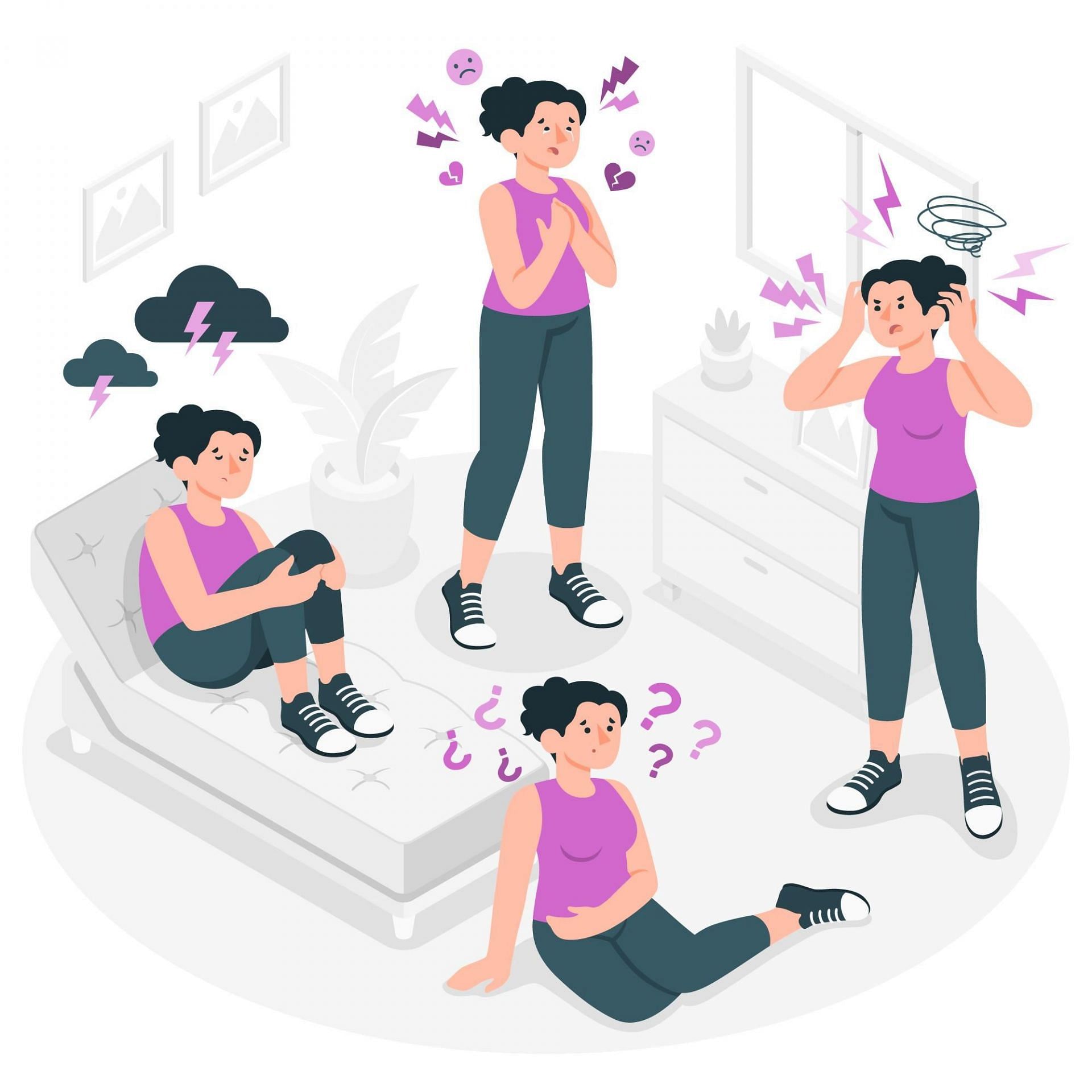
Cluster A: Suspicious
- Paranoid personality disorder. People with paranoid personality disorder may be distrustful of others and suspicious of their motives.
- Schizoid personality disorder. People with schizoid personality disorder can display little interest in forming personal relationships or partaking in social interactions. They can have trouble interpreting social cues, causing them to seem emotionally distant.
- Schizotypal personality disorder. People with schizotypal personality disorder often believe that they can influence other people or events with their thoughts. They may misinterpret behaviors, leading to inappropriate emotional responses. They may also avoid having intimate relationships.
Cluster B: Emotional and impulsive
- Antisocial personality disorder. People with antisocial personality disorder tend to manipulate or treat others without expressing remorse for their actions. They may engage in dishonest behavior like lying and stealing, and they may be prone to heavy alcohol and drug use.
- Borderline personality disorder. People with borderline personality disorder often feel empty and abandoned, regardless of family or community support. They may have difficulty dealing with stressful events and have episodes of paranoia. They also tend to engage in risky and impulsive behavior, such as binge drinking and gambling.
- Histrionic personality disorder. People with histrionic personality disorder frequently try to gain more attention by being dramatic or provocative. They may be easily influenced by other people and are sensitive to criticism or disapproval.
- Narcissistic personality disorder. People with narcissistic personality disorder often believe that they’re more important than others. They tend to exaggerate their achievements and may brag about their attractiveness or success. Other symptoms include a deep need for admiration but lack empathy for other people.
Cluster C: Anxious
- Avoidant personality disorder. People with avoidant personality disorder often experience feelings of inadequacy, inferiority, or unattractiveness. They may dwell on criticism from others and avoid participating in new activities or making new friends.
- Dependent personality disorder. People with dependent personality disorder depend on other people to meet their emotional and physical needs. They usually avoid being alone and regularly need reassurance when making decisions. They may also be more likely to tolerate physical and verbal abuse.
- Obsessive-compulsive personality disorder. People with obsessive-compulsive personality disorder have an overwhelming need for order. They strongly adhere to rules and regulations, and they feel extremely uncomfortable when perfection isn’t achieved. They may even neglect personal relationships to focus on making a project perfect.

How Are Personality Disorders Treated?
There are several effective treatments for personality disorders. The treatment that’s best for you or someone else will depend on the specific personality disorder, its severity, and your lifestyle. Often, you’ll consult with several professionals about your diagnosis and treatment plan, including your primary care doctor, a psychiatrist, a psychologist or therapist, and/or a pharmacist.
That said, psychotherapy is the primary form of treatment for personality disorders, which allows you to talk about your symptoms, better understand your disorder, and learn how to manage it well. Depending on your situation, you may benefit from individual therapy, group therapy, family therapy, or all of the above.
Medication is another common and effective form of treatment for personality disorders.